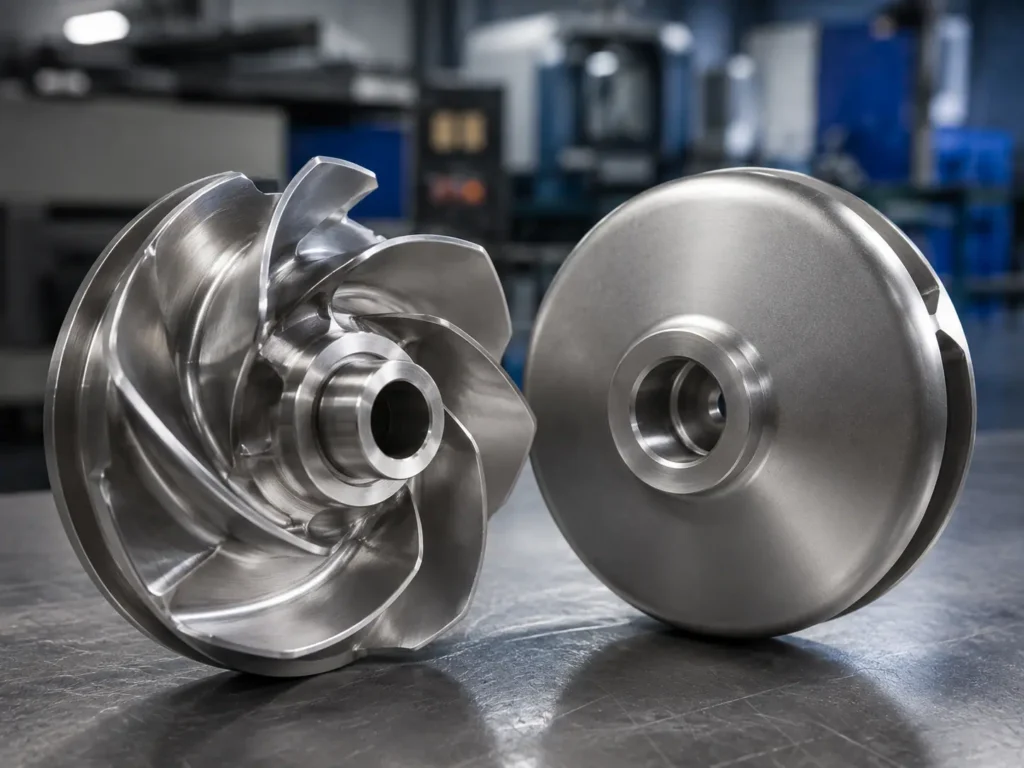
A cast iron pump impeller is a rotating casting made to a specified iron grade and pump design. Gray iron is used in some water and wastewater pumps, where the manufacturer has approved it for the liquid and operating conditions. To order a replacement or release a new batch, confirm the exact grade, service conditions, machined interfaces and acceptance tests on the drawing and purchase order.
Which Cast Iron Does the Drawing Specify?
The words cast iron identify a family of materials. A quotation needs the grade within that family, the governing specification and the required edition. A part described as gray iron on one quotation and ductile iron on another deserves an engineering review before the prices are compared.
Gray iron has graphite in flake form. Ductile iron has graphite predominantly in nodular form, which helps account for its different mechanical behavior. For a rotating part, the approved design determines which properties matter. Gray iron and ductile iron should have separate grade callouts and acceptance requirements. The ASTM cast iron standards index lists separate specifications for gray iron, ductile iron and abrasion-resistant cast irons.
High-chromium white iron is another material decision. Its hard microstructure is relevant when abrasive wear governs the application. Machinability, impact exposure and the pump owner’s material approval still need review. A request for “harder cast iron” gives a supplier too little information to select an approved grade or plan the machining.
| Drawing or enquiry says | What to verify | What belongs in the order |
|---|---|---|
| Gray iron | Exact grade or class and the specified basis of mechanical testing | Grade, specification edition, test requirements and traceability |
| Ductile iron | Approved grade, required mechanical properties and any specified microstructure checks | Grade, material acceptance criteria and any required treatment or documentation |
| High-chromium white iron | Wear mechanism, impact exposure, approved alloy and feasible machining operations | Grade, hardness and other specified checks, plus machining and finishing requirements |
| Cast iron or equivalent | Which requirement defines an acceptable substitution | Released grade or written engineering approval of the alternate before production |
An equivalence review should compare the actual specifications. A similar strength number or a vendor cross-reference is a starting point. Confirm how specimens are taken, what properties apply and which requirements control the delivered casting. Record the approved decision against the drawing revision so that the next batch is ordered on the same basis.
When to Reassess the Original Grade
For an established pump operating in the same duty, the released material specification and service history provide the best starting point. If the liquid or operating duty has changed, give the pump engineer the details before repeating the previous order. Even within wastewater service, screened water and a stream that carries abrasive grit present different material questions.
KSB’s wastewater impeller guidance discusses gray iron for appropriate wastewater duties and different material choices for aggressive or abrasive service. Apply the same review logic to the specified pump. The manufacturer’s selection data, liquid analysis and duty should govern the grade decision.
Three changes are worth flagging in the RFQ:
- Different liquid chemistry. Supply the fluid composition, concentration and temperature. Include cleaning chemicals and unusual exposure conditions where relevant.
- More or different solids. Describe particle type, size, concentration and expected variation. Grit erosion and corrosion need separate evidence when both are suspected.
- Different operating conditions. Confirm speed, operating range and any relevant impact or transient loads with the pump design owner. Treat a change in grade or geometry as a controlled engineering decision.
Do not infer the impeller material from the casing name. A cast iron casing can belong to an assembly with a different impeller grade. Identify the impeller, casing, shaft and wear components separately when the pairing matters. See the pump casing material guide for assembly compatibility questions and the pump impeller material selection guide for a broader comparison of material families.
Plan the Casting Around the Finished Part
When sand casting is the approved route, establish the pattern, core arrangement and machining stock from the finished geometry. A closed impeller may need internal cores to form its flow passages. Agree which passage features require measurement and whether the proposed inspection method can reach them. A finished outside diameter tells the buyer very little about core position inside the part.
For a custom pump impeller enquiry, send the sections through the hub, shrouds and passages along with the external views. A 3D model is useful for geometry review. The controlled drawing should still define functional dimensions, tolerances, datums and any approved departure from the nominal model.
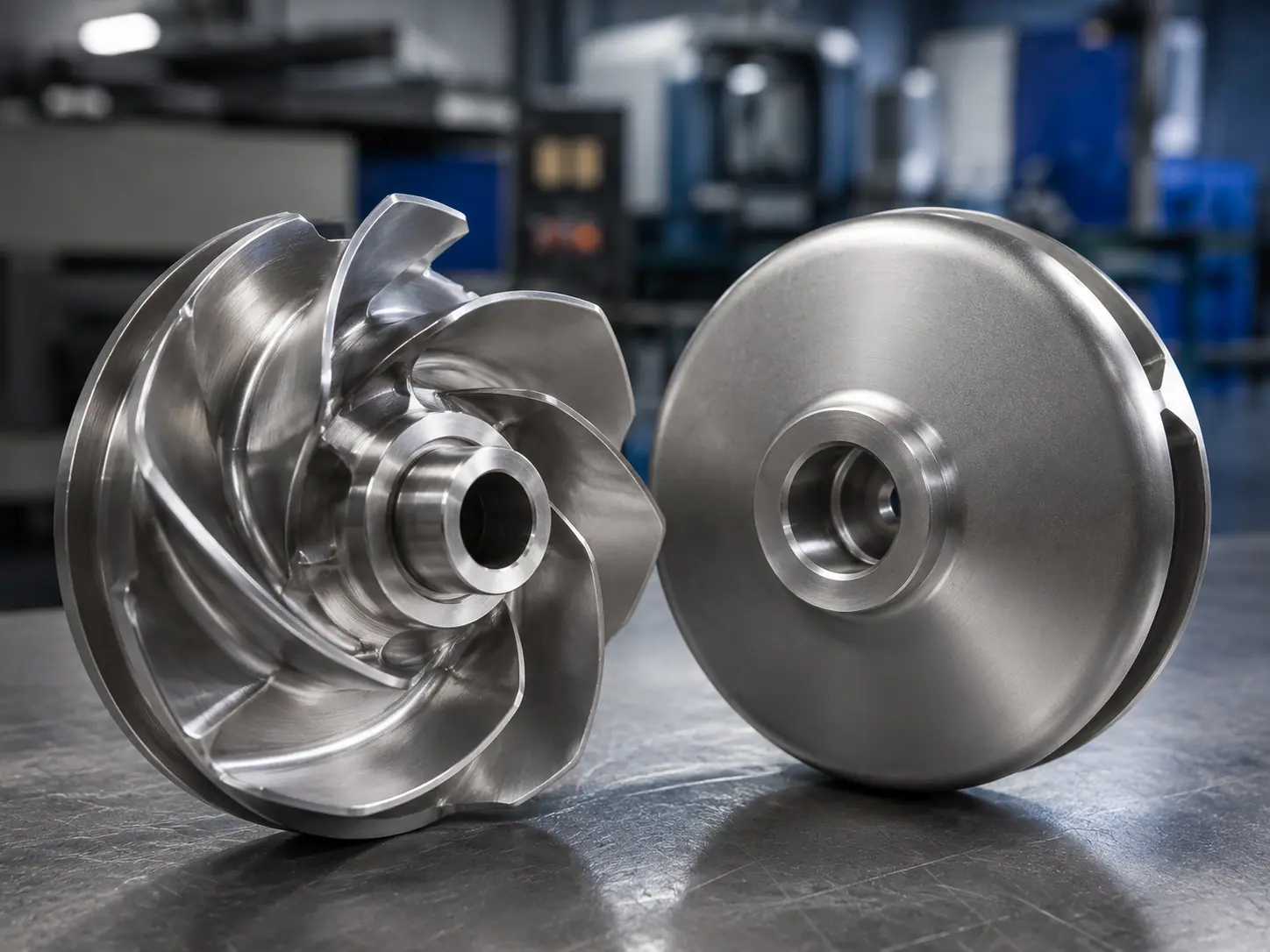
At quotation, ask the supplier to identify the surfaces that remain as cast and those that need machining. The bore, hub faces and wear-ring interfaces often drive the machining and inspection plan. Where keyways, threads or locating features are present, define their relationship to the approved axis and mating faces. These details belong on the drawing before machining starts.
Agree how the foundry will handle parting lines, gates and internal cleanup. A local finishing operation can change wall thickness or passage geometry. The drawing or agreed process should control where material removal is allowed. If a surface treatment is specified, establish which dimensions and balance checks apply after it is complete.
What to Check Before Accepting a Batch
An inspection report is useful when it links evidence to the individual part or batch and to the correct drawing revision. Ask for the information your project needs at quotation. A request for a particular test made after casting can be difficult to satisfy if the necessary specimens or records were never planned.
| Acceptance area | Review before placing the order | Evidence at release |
|---|---|---|
| Material identity | Grade, standard edition, required tests and lot identification | Report linked to the relevant casting lot and agreed sampling basis |
| Casting condition | Critical areas, surface condition and any required nondestructive examination | Results against named methods, locations and acceptance criteria |
| Machined interfaces | Bore, hub-face datums, fit, runout and other drawing-controlled features | Dimensional results tied to the correct drawing revision |
| Internal geometry | Critical passage sections, inspection access and permitted cleanup | Agreed checks on the features that the drawing identifies |
| Balance and final condition | Specified balance requirement, assembly condition and allowed correction areas | Balance record in the required condition, plus traceable final release |
Check what a material report actually demonstrates. A chemistry result can support material identification, while a hardness reading answers a different question. Where the grade or purchase order calls for mechanical testing or microstructure evidence, request those results on the specified basis. A photograph or a hardness value alone is an inadequate basis for assigning an unknown sample its original grade.
Matson can review drawing-based projects against its casting, machining and inspection processes. Confirm the requested iron grade and test package during quotation. For repeat orders, retain the accepted drawing, inspection report and any written concessions so the supplier has a clear production baseline.
Common Questions
Is a cast iron pump impeller suitable for wastewater?
Gray iron is used in some wastewater pumps under documented service conditions. The answer for your pump depends on the approved design, liquid chemistry, solids and duty. Send information on grit, screening, temperature and any aggressive constituents. If the duty has changed since the original pump was specified, have the pump design owner review the grade before placing a replacement order.
Can ductile iron replace a gray iron impeller?
Request written approval for the specific grade change. Review the mechanical properties and acceptance requirements called out by the pump design, plus the effect on casting, machining and the finished part. A matching bore and outside diameter confirm only part of the comparison. Carry the released material decision into the purchase order and inspection plan before authorizing production.
How can I confirm the grade of a worn impeller?
Start with the original drawing, bill of materials or traceable supplier record. If those are unavailable, ask the responsible engineer to define a material investigation and replacement specification. Document worn, repaired or coated surfaces before inspection. An observed hardness value, surface color or casing material designation gives too little evidence to recover the original impeller grade by itself.
What should I send for a cast iron impeller quote?
Send the released drawing, grade and specification, quantity, operating conditions, and any available model or sample. Identify the functional bore and hub references, passage sections, rotation direction and required finish. Include the requested test evidence and balance conditions with the enquiry. If any dimension comes from a worn sample and still needs approval, mark it before sending the package.
What does a balance report tell me about the impeller?
It shows the balance result under the test setup and condition stated in the report. Ask whether the part was checked in the condition required by your drawing, including any specified key convention and relevant finishing operations. Compare the result with the agreed acceptance requirement. Review material, dimensional and casting evidence separately as part of the same release package.
Final Thoughts
Before ordering a cast iron pump impeller, turn the material family name into a released grade and link that grade to the actual duty. Then define how the supplier will verify the casting, machined fits, passages and final balance. Send Matson the impeller drawing and RFQ requirements with the material callout, quantity and any inspection or sample details that still need review.